


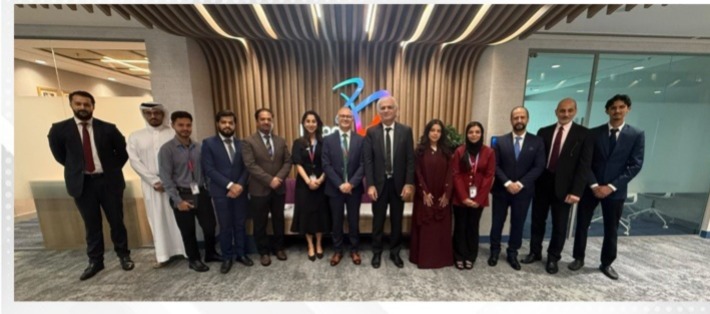
Manama : The Nasser Centre for Science and Technology (NCST), a leading regional research and development centre in artificial intelligence (AI), announced the successful development and implementation of an AI-powered spending analysis platform at Bapco Refining, a subsidiary of Bapco Energies, the integrated energy group leading energy security and sustainability for future generations in the Kingdom of Bahrain.
The project is part of cooperation between the two sides to use advanced digital technologies to improve operational efficiency and support data-driven decision-making, contributing to the development of the procurement system, improving data quality and strengthening spending governance.
The system, developed by NCST’s AI research and development team, uses machine learning and advanced analytics to automatically classify procurement data according to the United Nations Standard Products and Services Code (UNSPSC). It analyses historical records and procurement data to improve classification accuracy, reduce manual work and provide analytical insights that support strategic planning and more efficient spending.
The smart platform offers several features, including tools that enable specialists to monitor and analyse spending patterns by suppliers, categories, administrative units, purchasers and currencies. It also generates smart reports to help identify opportunities to improve efficiency and enhance the effectiveness of procurement processes.
The system also includes a dedicated interface for reviewing AI-generated classifications and updating them when necessary, helping maintain data quality and accuracy.
The project demonstrates NCST’s advanced capabilities in research and development in AI applications and its ability to design specialised national solutions that meet the needs of various sectors in the Kingdom.
It also reflects continued cooperation with Bapco Refining in using smart technologies to support digital transformation, improve operational efficiency and strengthen the Kingdom’s position in innovation and the knowledge-based economy.
