


Manama : The Kingdom of Bahrain has maintained its Tier 1 ranking for the ninth consecutive year in the US Department of State’s annual report on efforts to combat trafficking in persons, which assesses the efforts of 188 countries. The ranking reflects the progress achieved by the Kingdom in developing an integrated framework to combat trafficking in persons in line with international standards and best practices.
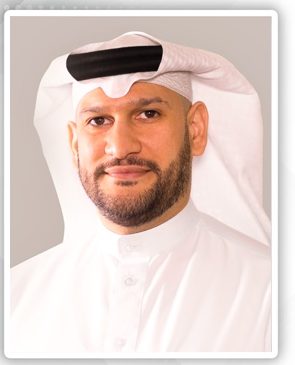
Nibras Mohammed Talib, Chief Executive of the Labour Market Regulatory Authority (LMRA) and Chairman of the National Committee for Combatting Trafficking in Persons, affirmed that Bahrain’s achievements in this field reflect its established approach, under the leadership of His Majesty King Hamad bin Isa Al Khalifa, in supporting efforts to combat trafficking in persons, as well as the continued directives of His Royal Highness Prince Salman bin Hamad Al Khalifa, the Crown Prince and Prime Minister. These directives have contributed to the continued development of legislation, policies and initiatives, strengthening the Kingdom’s standing in this field.
The LMRA Chief Executive highlighted that the Kingdom’s continued Tier 1 ranking for the ninth consecutive year reflects its integrated and effective national framework for combatting trafficking in persons, based on advanced legislative and regulatory frameworks, mechanisms for prevention, protection and redress, and effective national and international partnerships. These efforts help sustain the achievements made and further develop the national response to the various forms of this crime.
He noted that, through the National Committee for Combatting Trafficking in Persons and the government entities represented on it, the Kingdom continues to build on its achievements and develop mechanisms, policies, plans and initiatives to keep pace with economic and social changes and the challenges associated with trafficking in persons as a transnational crime, particularly those linked to countries of origin.
The LMRA Chief Executive added that, over the past years, Bahrain has worked to develop an integrated framework to improve the working environment and safeguard the rights of all parties. This framework is based on the continuous review and development of legislation, regulations and procedures to keep pace with changes in the labour market and developments related to trafficking in persons.
At the legislative and legal level, he noted that Bahrain has continued to align its laws and regulations with the international conventions and treaties it has joined, contributing to the development of legislation governing the labour market. Protection has also been strengthened through the Expat Protection Centre, which provides preventive, advisory and legal services and shelter for victims and potential victims.
He also highlighted the National Referral Mechanism, which provides an integrated framework for coordinating national efforts, identifying victims from the moment the authorities become aware of a crime, and providing the necessary assistance and protection through to their reintegration or voluntary return, in accordance with national and international standards.
The LMRA Chief Executive explained that Bahrain’s labour market framework also relies on proactive monitoring tools to identify cases of exploitation in the workplace, alongside mechanisms to protect workers’ wages and verify that they are paid regularly through approved financial and banking institutions.
In the areas of awareness and partnership, he explained that the Kingdom works on two complementary tracks. The first focuses on expanding national partnerships, transferring knowledge and building capacity through the Regional Centre for Training in Combatting Trafficking in Persons, which provides training programmes for government and civil society groups. It also involves strengthening partnerships with the private sector as an active partner in improving the working environment and establishing institutional practices that support efforts to combat trafficking in persons.
The second track focuses on strengthening partnerships and cooperation with international and United Nations organisations, embassies of countries of origin for migrant workers, and civil society organisations concerned with expatriate workers in the Kingdom. These efforts contribute to exchanging expertise and improving coordination in addressing the transnational dimensions of this crime.
The LMRA Chief Executive expressed his appreciation for the role of the Ministry of Interior, under the follow-up of General Shaikh Rashid bin Abdullah Al Khalifa, Minister of Interior, in supporting national efforts, regulating the labour market, conducting inspection campaigns and strengthening coordination with the LMRA.
He also commended the efforts of the Ministry of Foreign Affairs, under the follow-up of Dr. Abdullatif bin Rashid Al Zayani, Minister of Foreign Affairs, in highlighting Bahrain’s efforts and achievements at international and United Nations forums through its diplomatic missions. He also noted the role of the Embassy of the Kingdom of Bahrain in the United States in highlighting the Kingdom’s achievements in this field.
The LMRA Chief Executive also praised the role of the Ministry of Justice, Islamic Affairs and Waqf, under the follow-up of Nawaf bin Mohammed Al Maawda, Minister of Justice, Islamic Affairs and Waqf, as well as the Supreme Judicial Council and the Public Prosecution, in enforcing the law and strengthening the justice system.
He affirmed that Bahrain’s advanced standing in combatting trafficking in persons is the result of an integrated national framework based on proactive prevention, protection and redress, supported by partnerships and institutionalised practices. He noted the National Committee for Combatting Trafficking in Persons’ commitment to continuing to work as one team, strengthening coordination and cooperation among government entities and civil society, and building on the achievements made to further enhance Bahrain’s regional and international standing in combatting trafficking in persons.
