


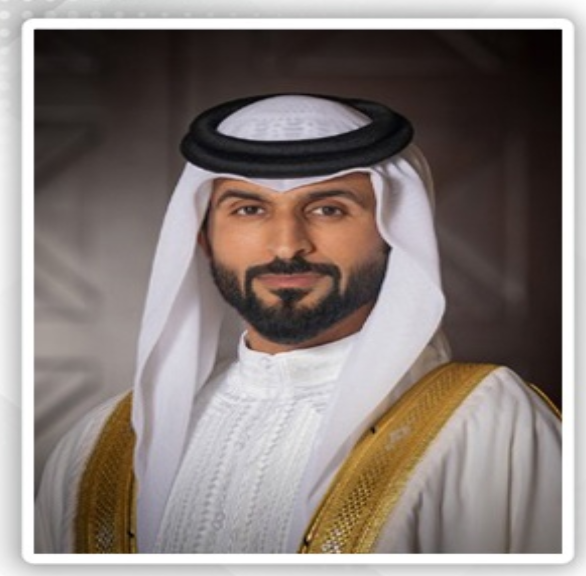
Manama : His Highness Shaikh Nasser bin Hamad Al Khalifa, His Majesty’s Representative for Humanitarian Works and Youth Affairs and Chairman of the Board of Trustees of the Royal Humanitarian Foundation (RHF), said that World Humanitarian Day is a global and national occasion to renew the commitment to noble humanitarian values, and to promote a culture of giving and mutual support as a shared social responsibility, which builds communities and supports their stability, whilst reinforcing the values of solidarity and compassion amongst peoples.
On World Humanitarian Day observed on 19 August, His Highness explained that this year coincides with the RHF’s celebration of 25 years of humanitarian work under the slogan ‘A Humanitarian Legacy’, noting that these efforts are an extension of the vision of His Majesty King Hamad bin Isa Al Khalifa, the Honorary President of the Royal Humanitarian Foundation, and His Majesty’s firm belief that human beings are the centre and ultimate goal of development. His Highness also highlighted the support and follow up the Foundation receives from His Royal Highness Prince Salman bin Hamad Al Khalifa, the Crown Prince and Prime Minister, which strengthened the Foundation’s standing and increased its humanitarian impact within the Kingdom of Bahrain and abroad.
His Highness added that, over the course of a quarter of a century, the Foundation has established a comprehensive humanitarian model that combines care, empowerment and humanitarian response, alongside the implementation of relief and development initiatives and projects outside the Kingdom, which reflects Bahrain’s humanitarian mission and its core values of extending a helping hand to those in need.
His Highness emphasised that a humanitarian legacy is not measured solely by achievements, but by the values and behaviours that take root in society. His Highness noted that the sustainability of humanitarian work is a shared responsibility that begins with the individual, and that every initiative a person undertakes, every effort they make, and every moment they devote to serving others, has the potential to make an impact that extends to the lives of individuals and communities. His Highness noted that the coming phase requires strengthening community participation in humanitarian work and fostering a culture of giving, in order for it to become a daily practice that reflects the solidarity that characterises the Bahraini society.
