


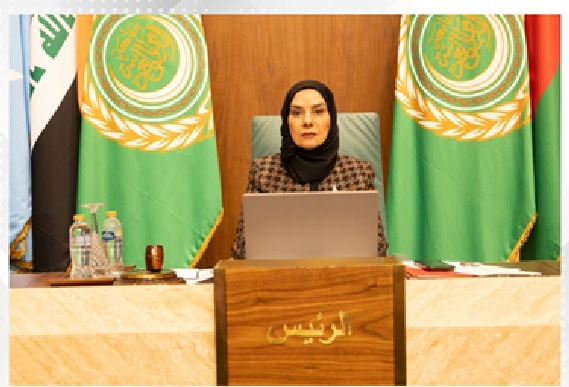
Cairo : Fawzia bint Abdullah Zainal, Ambassador of the Kingdom of Bahrain to the Arab Republic of Egypt and Permanent Representative to the League of Arab States, chaired an extraordinary session of the Council of the League of Arab States at the level of Permanent Representatives.
The meeting was convened under Bahrain’s chairmanship of the 165th session of the Council to address the Israeli violations in Jerusalem and to discuss the implications of the Israeli Knesset’s approval of legislation concerning the execution of Palestinian prisoners.
In her remarks, Ambassador Zainal stressed that the meeting comes at a critical time for the region, warning of the seriousness of violations targeting Jerusalem and its Islamic and Christian holy sites, including the closure of Al Aqsa Mosque. She described such measures as a grave breach of international law and an act that provokes the sentiments of Muslims worldwide.
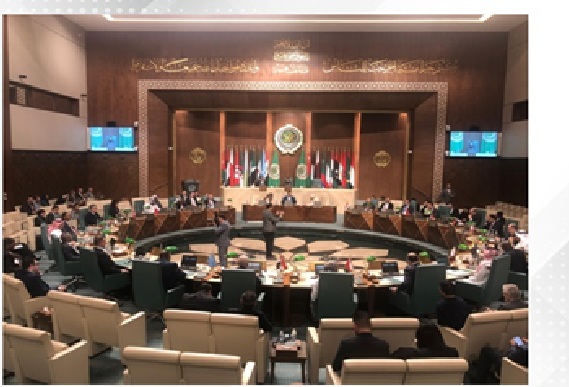
She underscored the importance of a unified and firm Arab stance, calling on the international community to uphold its responsibilities in halting these violations and ensuring the protection of the Palestinian people and their holy sites.
Ambassador Zainal affirmed the Kingdom of Bahrain’s longstanding position in support of the legitimate rights of the Palestinian people, foremost among them the establishment of an independent Palestinian state on the borders of 4 June 1967, with East Jerusalem as its capital, in accordance with relevant international resolutions and the Arab Peace Initiative.
During the session, the Council adopted a draft resolution submitted by the State of Palestine regarding developments in the Palestinian cause and Israeli actions in Jerusalem. The resolution strongly condemned the closure of Al Aqsa Mosque and the prevention of worshippers from accessing it, describing these actions as violations of international law. It also warned against Israeli policies in Jerusalem, including Judaification, forced displacement, and undermining its historical and legal status.
The Council further rejected and condemned the law concerning the execution of Palestinian prisoners, describing it as discriminatory and in violation of international humanitarian law. It reaffirmed the centrality of the Palestinian cause and reiterated support for the establishment of an independent Palestinian state with East Jerusalem as its capital.
The resolution called for urgent Arab and international action at the political, legal, and diplomatic levels to halt ongoing violations. It urged the international community, including the United Nations Security Council, to take binding measures to stop Israeli policies and called for an international investigation and accountability for those responsible, including through the International Criminal Court.
The Council concluded by emphasizing the importance of continued Arab coordination and intensified diplomatic efforts to address current challenges, in support of regional security and stability and the protection of Palestinian rights.
