


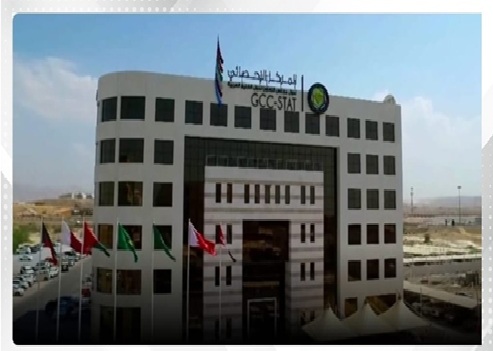
Muscat : Data released by the Statistical Center of the Cooperation Council for the Arab States of the Gulf (Gulf-Stat) showed that international tourism revenues in GCC countries reached USD 120.2 billion in 2024, marking an increase of 39.6% compared with 2019 and 8.9% compared with 2023. The GCC share of global tourism revenues rose to 7.5%.
The Travel and Tourism in the GCC Countries 2024 report indicated that the total number of international tourists arriving in the GCC reached 72.2 million in 2024, representing growth of 51.5% compared with 2019 and 6.1% compared with 2023, raising the region’s market share to 5.2% of global tourism. This reflects a recovery exceeding pre-pandemic levels, supported by expanded air connectivity, visa facilitation, and diversified tourism products.
The data showed increased diversification of source markets, with the Middle East accounting for 18.8% of total inbound tourists, followed by Europe at 14.6% and Asia and the Pacific at 14.5%, indicating growing demand from long-haul markets beyond intra-regional tourism.
Intra-GCC tourism accounted for 41.3% of total international tourist arrivals, with an average annual growth rate of 51.2% between 2019 and 2024, reflecting the success of GCC tourism integration initiatives, facilitated mobility, and enhanced joint events.
Rising demand was reflected in sector infrastructure expansion, with the total number of hotel establishments in the GCC reaching 11.2 thousand properties comprising around 711.5 thousand rooms. Employment in the tourism sector increased to 1.7 million workers in 2024, recording annual growth of 33% compared with 2020.
The data also showed that the direct GDP of the travel and tourism sector reached USD 93.5 billion in 2024, achieving 64.1% of the 2030 target, while the sector’s contribution to GCC GDP rose to 4.3%.
Sustainability indicators showed an increase in the average length of stay to 8.4 nights and a rise in average spending to USD 674.6, alongside improved labour productivity. Achievement rates ranged between 56% and 78% of GCC Tourism Strategy 2030 targets, indicating the region’s readiness to sustain growth, particularly in cultural, eco, business, and conference tourism.
