


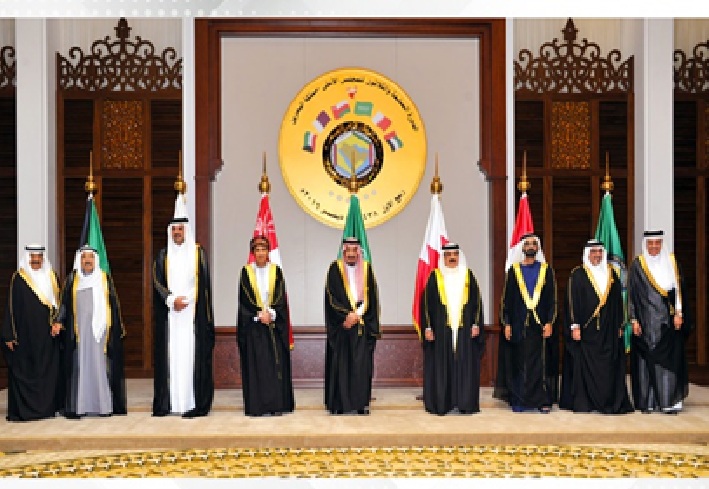
Manama : The Kingdom of Bahrain’s hosting of the 46th Gulf Cooperation Council (GCC) Summit on December 3, 2025, emphasises its long-established role in supporting joint Gulf action and reflects appreciation for the efforts it continues to make, under the leadership of His Majesty King Hamad bin Isa Al Khalifa, to strengthen GCC solidarity and integration as a strategic choice for the states and peoples of the region. The Summit also reflects the close bonds, shared identity and unified sense of purpose that bind the peoples of the GCC.
This eighth hosting of a GCC Summit underlines Bahrain’s consistent commitment to the principles that guide its approach to Gulf cooperation. It also aligns with His Majesty the King’s vision of broadening coordination, integration and cohesion among GCC countries to meet their peoples’ aspirations for development and prosperity and to reinforce regional stability.
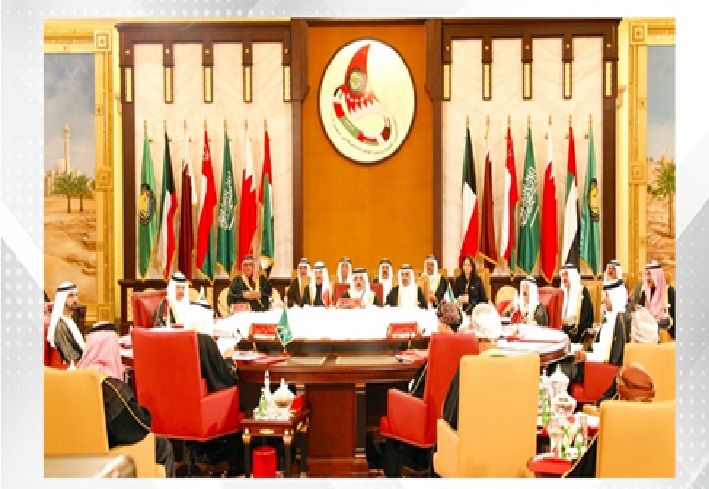
His Majesty has frequently emphasised that unity among GCC countries and ongoing coordination are essential foundations for stability. His Majesty has also highlighted the strong ties linking Bahrain with other GCC countries and Bahrain’s commitment to supporting collective efforts that safeguard security across the region.
Since the GCC was founded in 1981, Bahrain has remained committed to the objectives of the GCC Charter, including coordination, integration and interconnection in all domains, and the strengthening of ties among its peoples. Over the decades, Bahrain has supported collective initiatives and agreements that have contributed to the development of the GCC’s institutional, economic and cooperative framework.
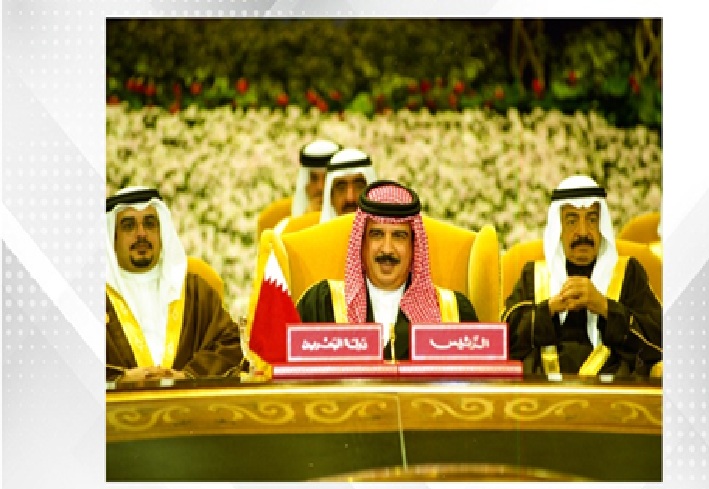
Bahrain has hosted seven GCC Summits prior to 2025, each representing a significant point in the Council’s development. The Kingdom first hosted in 1982, when leaders reviewed political and economic relations and assessed progress in building the early foundations of joint Gulf action. Discussions also covered regional political and security developments and the implementation of the Unified Economic Agreement signed in 1981.
Bahrain hosted again in 1988, when leaders examined regional and international developments and adopted a number of economic decisions aimed at strengthening cooperation, including enabling GCC citizens to own shares in joint-stock companies, unifying aspects of taxation, supporting industrial projects and emerging national industries, establishing an emergency plan for petroleum products, and ensuring equal access to healthcare services for GCC citizens across member countries.
In 1994, the Kingdom hosted a Summit that reviewed the political, security and economic situation in the Gulf. Leaders approved steps to develop joint defence capabilities through a unified strategy and agreed to advance the Peninsula Shield Force to ensure greater operational readiness. They also discussed unifying company laws, improving the performance of Gulf banks and accelerating work on a unified customs tariff.
The 2000 Summit, also hosted by Bahrain, approved the Joint Defence Agreement, marking a major development in the GCC’s collective security framework. Leaders also endorsed the GCC’s long-term strategy for relations with regional blocs and international organisations.
In 2004, Bahrain hosted the “Zayed Summit”, which approved unified agricultural and industrial regulations to strengthen the industrial sector, expand its contribution to GDP and enhance economic integration. Leaders also reviewed global security developments and reaffirmed the GCC’s clear stance against terrorism and its financing, while stressing the need to distinguish between terrorism and the legitimate right of peoples to resist occupation in accordance with international law.
Bahrain’s hosting of the 2012 Summit continued efforts to advance joint Gulf action. Leaders called for accelerated financial and monetary coordination, strengthening production capacities, supporting employment opportunities for citizens, reviewing youth programmes and endorsing decisions of the Joint Defence Council. They also approved the amended GCC Security Agreement and endorsed the creation of a unified military command.
In 2016, the Summit issued the Al-Sakhir Declaration, reaffirming the GCC’s determination to strengthen joint action, unify positions and protect member countries from regional threats and external interference. Leaders emphasised the importance of advancing the GCC Common Market, completing the Customs Union and progressing on water interconnection projects. The Summit also underlined the importance of youth initiatives that enhance Gulf identity and promote values of coexistence. In parallel, Bahrain hosted the GCC–UK Summit, which launched a strategic partnership across political, defence, economic, social and cultural fields.
The 46th Summit is being held at a time of increasing regional challenges, making enhanced coordination essential to safeguarding regional security and to supporting efforts toward a just and comprehensive peace. Leaders will also discuss economic developments, progress toward full Gulf economic unity and opportunities to strengthen partnerships with friendly countries and international economic groupings.
Bahrain’s hosting of the 46th Summit represents a new stage in the GCC’s evolution and reflects the Kingdom’s constructive role in strengthening Gulf unity, its consistent adherence to GCC principles and its forward-looking vision for the future of joint Gulf action in service of the peoples of the region.
